Spring Water Through the Seasons: A Yearly Checklist for Source Visits
October 29, 2026 - Local Discovery

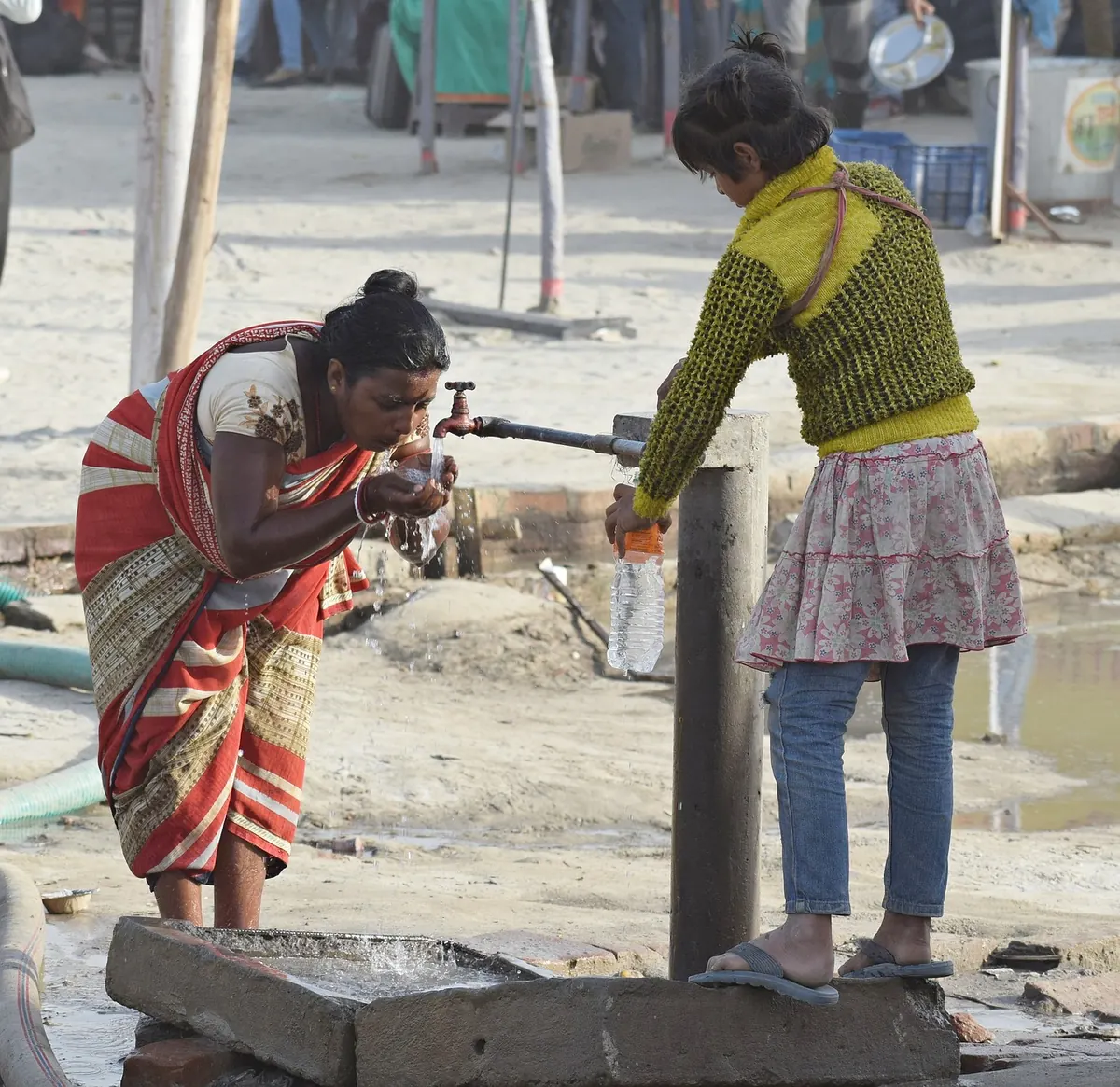
There is a real pleasure in filling a bottle straight from a spring: cold water, a bit of shade, the sound of it running over stone. It is also the kind of outing where small decisions quietly decide the outcome. A bottle rinsed in a hurry, a slope taken too casually, a pasture you never looked at because it was uphill and behind you — none of these feel like mistakes at the time. They show up later, as cloudy water, a sour smell, or a container you don't quite trust. The good news is that almost every common error at a spring is easy to prevent, and none of them require special equipment. What follows is the shortlist worth keeping in mind.
People spend ten minutes choosing a container and ten seconds cleaning it. That ratio is backwards. A bottle that has been in a warm car since the last trip, or one given a quick swill under the tap, carries a film of dust, old residue, or soap that gives anything present in the water a head start. You cannot smell most of it.
What works is unglamorous. Wash with hot water and a bottle brush, use plain unscented dish soap or a food-grade cleaner, and rinse until the water runs clear and the inside no longer feels slick. Then let it dry completely, upside down, cap off. Dryness matters more than most people expect: a bottle sealed while still damp is a warm, humid little chamber, and the next fill starts from a worse position. Sunlight helps if you have a clean place to leave it.
Skip anything that once held milk, juice, or oil. Plastic holds those smells in its scratches, and a container you can't get genuinely clean is not a container for drinking water. Wide-mouth food-grade jugs, stainless steel, and dark glass are far easier to keep honest. Dark glass has a second advantage: it slows the light-driven staleness that makes water taste flat after a few days in a sunny kitchen.
One small habit worth adopting: never set the cap down on the ground or in the mud while you fill. Cap in a pocket, or held between two fingers. It sounds fussy until you watch someone fish a lid out of wet gravel.
A thin single-use bottle reused for months is a poor vessel. It scratches, harbours residue in those scratches, and eventually cracks at the shoulder. The same goes for anything with a lid that needs a gasket to seal — grit works its way in and the seal starts weeping in your bag.
Fill with a little headspace rather than to the brim, and don't freeze a full container — water expands and splits even sturdy plastic.
Spring outlets tend to sit exactly where water wants to be: the bottom of a shaded, wet slope, on mossy rock or slick clay, often with a concrete apron that has been greening over for decades. People fixate on the outlet and forget the way down. Slipping with a full container in your hand is considerably worse than slipping empty.
Wear boots with real tread. Keep one hand free. Test footholds before committing weight, and take the long way around when the short way involves wet stone. Don't step on the concrete lid of a spring box; it may be covering the collection chamber and may not be as solid as it looks. Tell someone where you're going if the site is remote, and don't go alone if you can avoid it.
And if the access involves climbing a locked gate, crossing marked private ground, or squeezing past a fence with a sign on it, treat that as information. Permission matters, and so does the goodwill of the people who live there. Never stand in the spring or on its edges to reach the flow — you compact the ground, stir sediment, and disturb the stones that filter it.
This is the most useful habit at any spring, and the one most often skipped. Before you fill, walk your eyes up the slope above the outlet. Many springs are small seeps, and water that emerges perfectly clear may have crossed a pasture, a farmyard, a logging track, a road culvert, or a cabin's drainage in the previous few hundred metres.
Look for animal pens and manure heaps, grazing livestock, parked vehicles and fuel drums, freshly cleared ground, disturbed soil, septic fields, and outbuildings. Distance matters, but slope and wet weather matter too — water can travel sideways further than you would guess after a week of rain.
Then look at the water itself. Cloudy after rain is a signal, not a quirk. Visible sediment, an earthy or sulphurous smell, or a film on the surface all mean the same thing: find another source or treat what you have. Boiling is the standard advice for making untreated water safe to drink. If a spring is going to be your regular supply, get the water tested rather than assuming that "spring" means pure, and if anyone in the household has health conditions, take advice from a doctor before relying on it.
Timing causes more bad fills than bad containers. Arriving during or immediately after heavy rain means runoff and turbidity at their highest — wait a few days. Collecting from a trickle in late summer means you're drawing from a flow that is mostly subsurface, warmer, and more concentrated in whatever it carries. Freezing weather brings its own problems: an iced-over outlet, grit you can't see, and lids that won't seal properly with cold hands.
Fill gently, with the mouth of the container below the surface so it overflows rather than gulps, and keep the bottle off the ground and away from the mossy edges. Don't dig out a spring to increase the flow, and don't dam it. You'll stir up sediment and damage the outlet for everyone after you. And resist the urge to take twenty litres when you'll use four: weight on the return trip, spillage in the car, and water sitting in a warm cupboard for a month.
Spring water is not sterile, and it doesn't improve with time. Store it cool and dark, label the container with the date and the source, and use it within a few days for drinking — sooner if it has been warm. Keep it out of the sun in the car rather than leaving it on the back seat. Never top up a half-empty bottle from a fresh fill; start with a clean container instead. If the water develops a smell or a slick feel, tip it out, don't argue with it.
Most of the errors above disappear with a short, boring checklist repeated at every source.
Do that, and the spring stays what it should be: a good reason to walk out on a cool morning, with nothing to worry about on the way back.
Photo: Najim Kurfi / Pexels
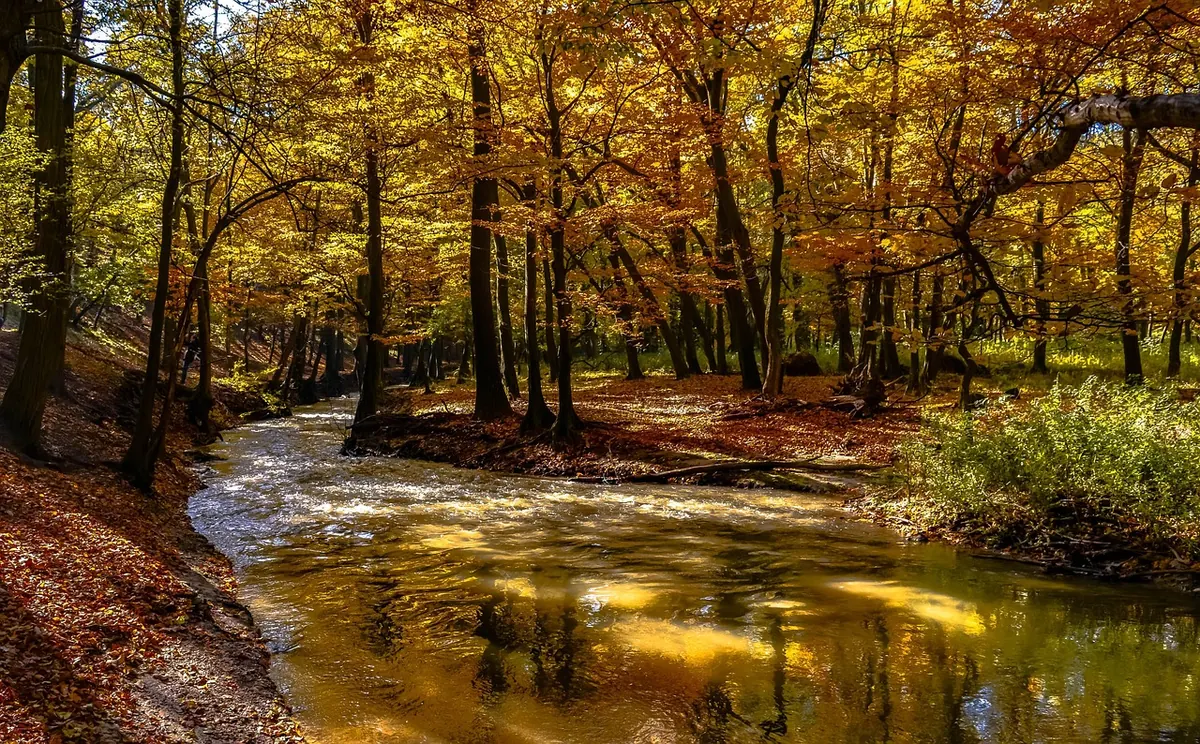
Plan spring visits by season: winter ice, spring mud, summer low flow, autumn leaves. A practical yearly checklist...
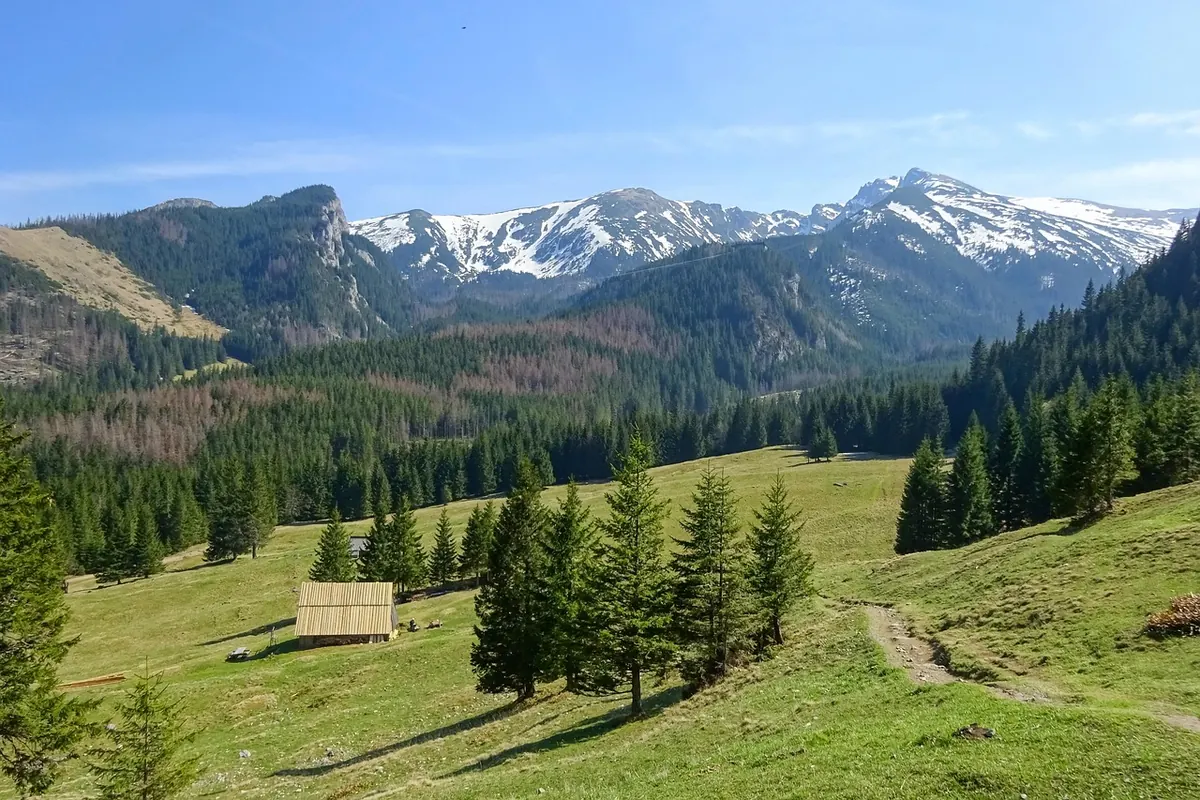
A practical guide to finding public springs near you, reading access signs correctly, asking landowners politely,...
Copyright © 2026 Vetrina Della Sorgente. All Right Reserved.