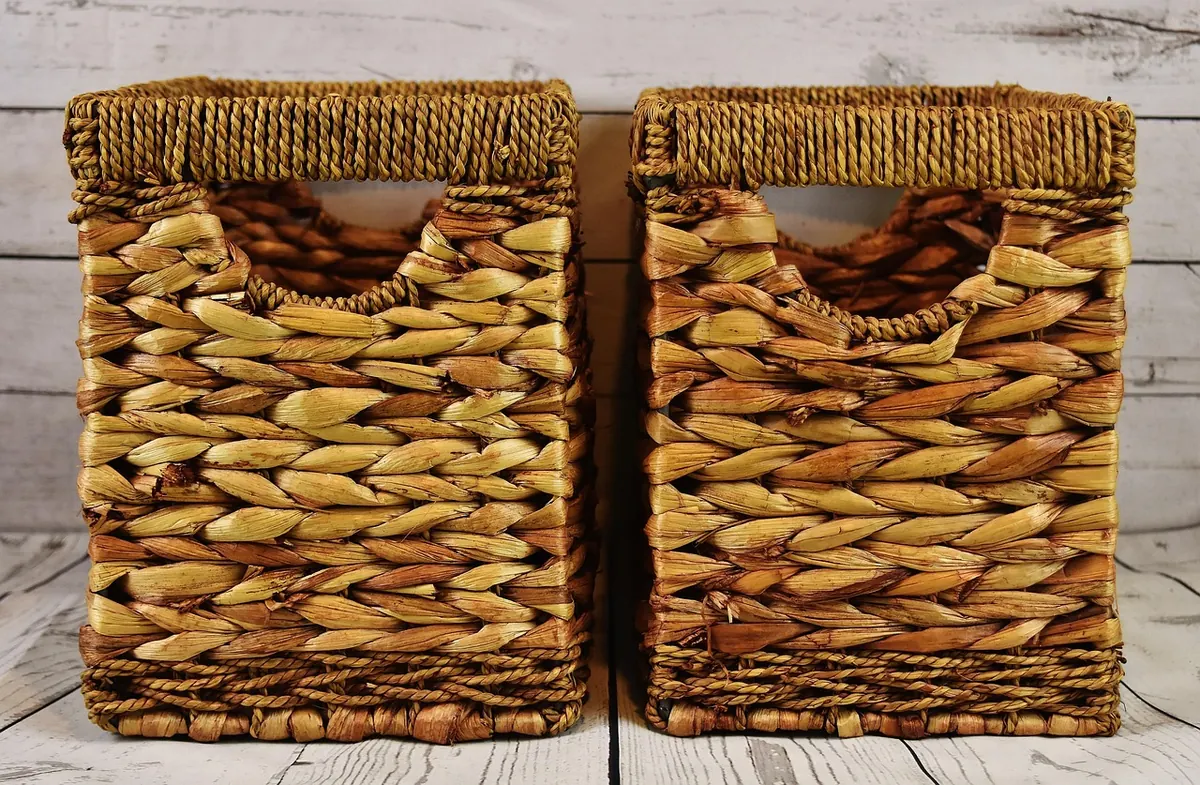
Spring Water Through the Seasons: A Yearly Checklist for Source Visits
October 29, 2026 - Local Discovery
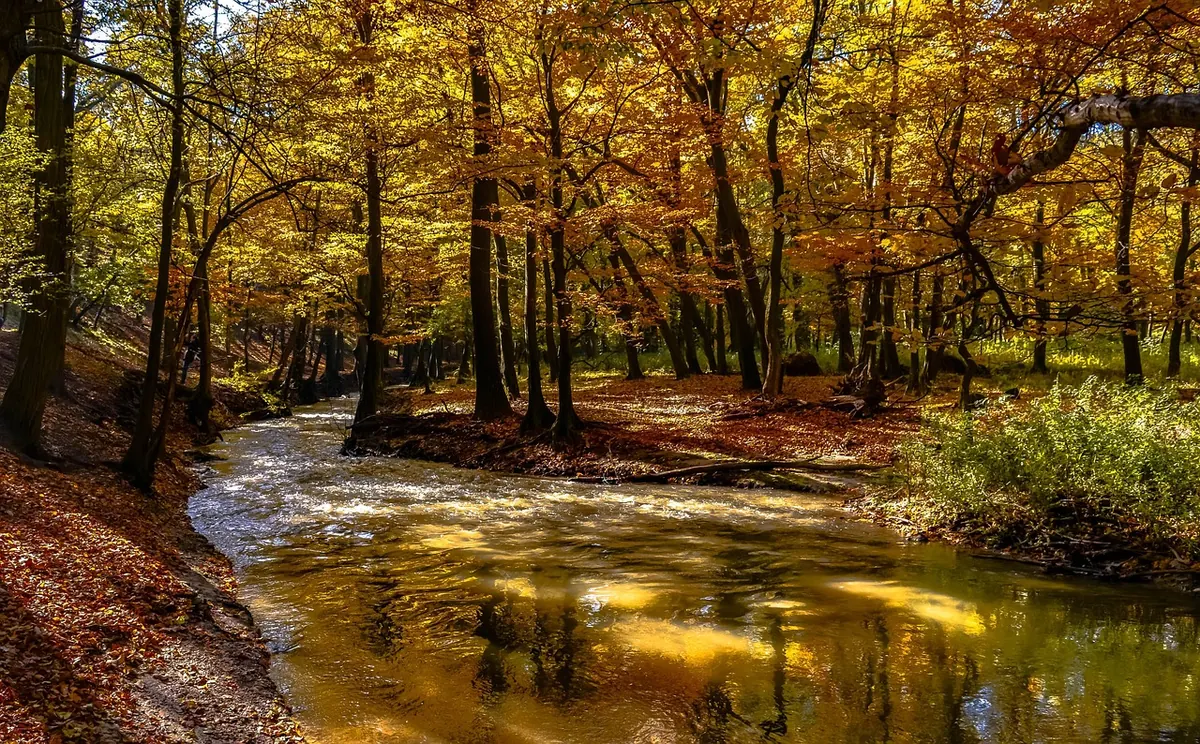
A spring is a different place in February than in July. The water may be the same, but the path, the flow, the light, and the welcome are not. A good source visit starts with the calendar: what the season has done to the ground, the access road, and the spring itself. This yearly checklist helps you plan visits with fewer surprises and better observations.
A map pin tells you where a spring is. It does not tell you whether the track is passable, whether the spring house is locked, or whether the flow has dropped to a trickle. Before any visit, check recent weather and the forecast for the catchment area, not only your starting point. Rain on the hills can reach a lowland spring hours later; a cold night can leave a shaded path icy long after the main road has cleared.
Ask what kind of spring you are visiting. A roadside fountain with a marked tap is a different proposition from a wild seep at the end of a forest track. For the first, check local opening notices and parking. For the second, confirm access and land ownership before you set out. If a gate is closed, a sign is ambiguous, or a track crosses private land, choose another day rather than improvising.
Winter is the season of clear views and empty paths. With leaves down, you can often see the spring's setting properly: the slope above it, the drainage channel below, the old retaining wall that summer greenery hides. Flow may be steady and modest, and the water often looks unusually clear. The trade-off is access. Ice on stone steps, frozen ruts, and short daylight can turn a simple visit into a slow, cautious one.
Plan a winter visit for midday, carry traction aids if there is any chance of ice, and wear boots with a proper sole. Tell someone where you are going. At the spring, watch for icicles above the outlet and frozen patches on the apron. Do not test a frozen path by walking quickly across it. If the final approach looks doubtful, stop and observe from a safe distance. A photograph of the outlet and the surrounding ground is often enough for a winter check.
Spring is the season of change. Snowmelt and steady rain can raise flow, expose gravel, and push debris through channels. The ground is soft, and what was a firm track in autumn can become a rutted strip of mud. This is a good time to see how a spring behaves under pressure, but it is not always the best time to reach the outlet.
Give the ground a day or two after heavy rain if the route crosses fields or steep tracks. Look at the overflow, the drainage grip, and the condition of any culvert. Note whether the water is clear, cloudy, or carrying leaves. Cloudy water after rain is a sign to be cautious, especially if you had planned to collect water. Natural spring water is not automatically safe to drink; if you intend to use it, check local notices and follow the advice of local authorities or a qualified professional. Treatment may be needed.
Summer makes access easy and observation harder. Roads are open, paths are dry, and the days are long. But low flow can make a spring look weaker than it is, and popular sources attract visitors at the same hours. If you want quiet and a clear view of the outlet, go early in the morning. If you want to see whether a source is truly dry, visit during a settled spell and again after a wet week.
Look for signs that the water is being affected by the season: algae in a basin, a smell that does not match the surroundings, or a flow that stops and starts. Do not assume a dry outlet means the spring has failed; many sources shrink in summer and recover in autumn. Carry more drinking water than you expect to need, wear sun protection on exposed tracks, and check for ticks after walking through tall grass. Photograph the outlet and any notice board so you can compare conditions on your next visit.
Autumn is often the most practical season for a thorough source visit. The undergrowth has died back, the ground is usually firm enough, and after the first rains the flow begins to recover. You can see the spring's structure, the state of the channel, and the route of any overflow. Conditions are better for maintenance checks, too: a loose cover, a blocked grate, or a cracked apron is easier to spot without summer growth in the way.
Wet leaves are the main hazard. They hide slippery stones and can clog grates in a surprisingly short time. Go slowly on shaded paths, and do not clear a grate unless it is safe and permitted to do so. If the spring is on private land or has a local caretaker, report what you find rather than making repairs yourself.
Use this list as a starting point, then adjust it to the spring you know. The point is not to carry everything; it is to ask the right questions before you leave.
Before you set out, read the forecast one more time and look at the route on a paper map or an offline copy. Put on the boots you will actually need, not the ones that match the forecast you hoped for. Take a spare layer, water, and a phone with enough charge. If the visit is in winter, add daylight margin; if it is after rain, add mud margin; if it is summer, add an early start.
At the spring, leave the site as you found it. Do not move stones to improve the flow, do not leave bottles or food scraps, and do not force a gate that is closed. A good source visit is not only about seeing water. It is about arriving safely, reading the season correctly, and leaving the place ready for the next person and the next season.
Photo: wfeco77 / Pixabay
A practical guide to finding public springs near you, reading access signs correctly, asking landowners politely,...
Spring water hydrates like other safe water, but its minerals and taste can support better drinking habits. Here’s...
Copyright © 2026 Vetrina Della Sorgente. All Right Reserved.