Spring Water Through the Seasons: A Yearly Checklist for Source Visits
October 29, 2026 - Local Discovery
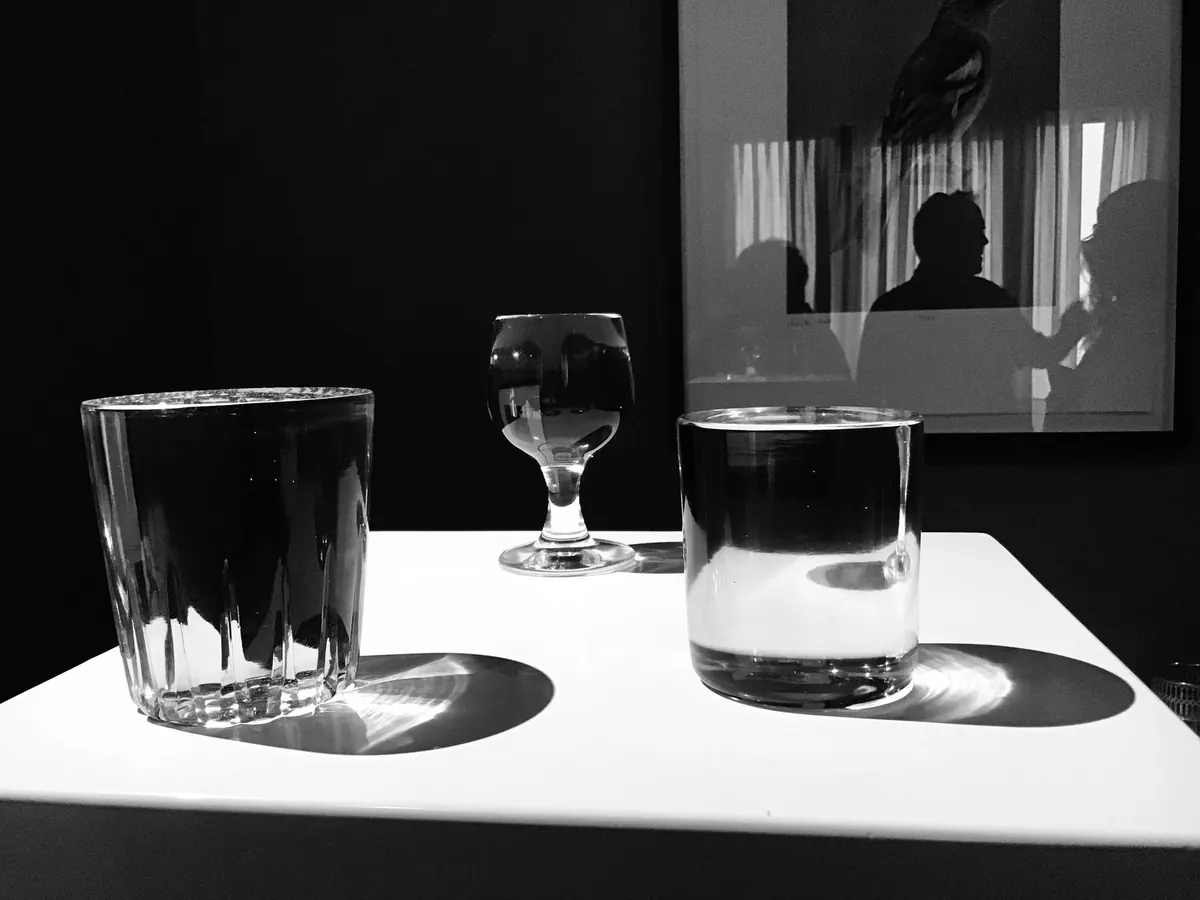
Two bottles sit side by side on the same shelf. Both are clear, both show a green valley on the label, and one costs noticeably more than the other. One says "spring," the other says "mineral." If you have ever stood there wondering whether the difference is real or just marketing, this comparison is for you.
The honest answer is that both are drinking water from underground sources, both are tightly regulated, and for everyday drinking either will serve you well. The differences that matter sit in three places: where the water is collected and how it is protected, what is dissolved in it, and how those dissolved minerals change the way it tastes and behaves in your kitchen. Once you can read those three things, the shelf stops being confusing.
Spring water is defined by its origin. It comes from an underground formation and flows naturally to the surface at a specific point. Bottlers must collect it at that spring, or from a borehole drilled to tap the same underground formation that feeds the spring — not from some unrelated aquifer nearby. The idea behind the rule is simple: the water you buy should be the water that emerges at that place.
Mineral water is defined by its composition. It also comes from a protected underground source, but the defining feature is that the mineral content and character of the water stay consistent from bottle to bottle. In the European Union, "natural mineral water" is a protected category: the source must be recognised, the water must be bottled at the source, and treatment is limited to things like filtration and aeration. The water is not chemically altered to change its mineral profile.
Worth saying plainly: neither category is automatically purer than the other. Both are subject to safety rules. The difference is what the rules are protecting — a place, in the case of spring water, and a stable fingerprint, in the case of mineral water.
Labels are where the two categories diverge most usefully, and a few phrases carry real legal weight.
"Natural mineral water" signals a recognised source and a stable mineral profile. In the United States, "mineral water" on a label means the water contains at least 250 parts per million of total dissolved solids, and anything under 500 ppm must be marked "low mineral content." "Spring water" tells you about the source and the collection point. Terms such as "purified water" or "table water" describe something else again — usually treated water, sometimes with minerals added back.
Look for the source name and location, the bottling site, and a mineral analysis or TDS figure. You will often find a small table listing calcium, magnesium, sodium, bicarbonate and sulfate in milligrams per litre. Check whether a sparkling water is naturally carbonated or has carbon dioxide added — both are legitimate, but they are not the same product.
Total dissolved solids, or TDS, is the single most useful number on the label. It tells you how much mineral material is in the water, and it predicts a lot about how that water will feel in your mouth.
Calcium and magnesium add weight and a faint chalkiness; bicarbonate gives a soft, rounded finish; sulfate can read as dry or bitter; sodium is the one to watch if you have been advised to limit it. Carbon dioxide in sparkling water brings a mild acidity and a prickling texture — pleasant with a meal, less so when you are tasting a delicate tea.
If a clinician has asked you to keep an eye on a specific mineral, read the analysis on the back rather than guessing from the front, and ask them about it. Labels are informative; they are not personalised advice.
Most home comparisons are unfair without meaning to be. Cold mutes flavour, so a fridge-cold bottle tastes like "cold" more than like water. Ice does the same. Tasting straight after coffee or toothpaste wipes out the subtle differences you are trying to detect.
Try this instead. Pour two glasses and let them sit for twenty minutes so they reach room temperature. Sip one, swallow, wait a few seconds, then sip the other. Notice texture before flavour — thin or syrupy, silky or drying — then the finish. Does it disappear cleanly, or does something linger? Two waters with similar TDS can still taste quite different because the balance of minerals differs.
Trust your own week over a single sip. The water you enjoy drinking glass after glass is the better buy.
This is where the practical difference shows up most clearly.
If you would rather not memorise mineral tables, keep it practical:
Neither spring water nor mineral water is the right answer. They are two labelling systems built around two different promises, and most everyday drinkers will be well served by either. Read the back of the bottle, taste before you commit to a case, and let your own glass decide.
Photo: Matthew J. / Pexels

Plan spring visits by season: winter ice, spring mud, summer low flow, autumn leaves. A practical yearly checklist...

A practical guide to finding public springs near you, reading access signs correctly, asking landowners politely,...
Copyright © 2026 Vetrina Della Sorgente. All Right Reserved.